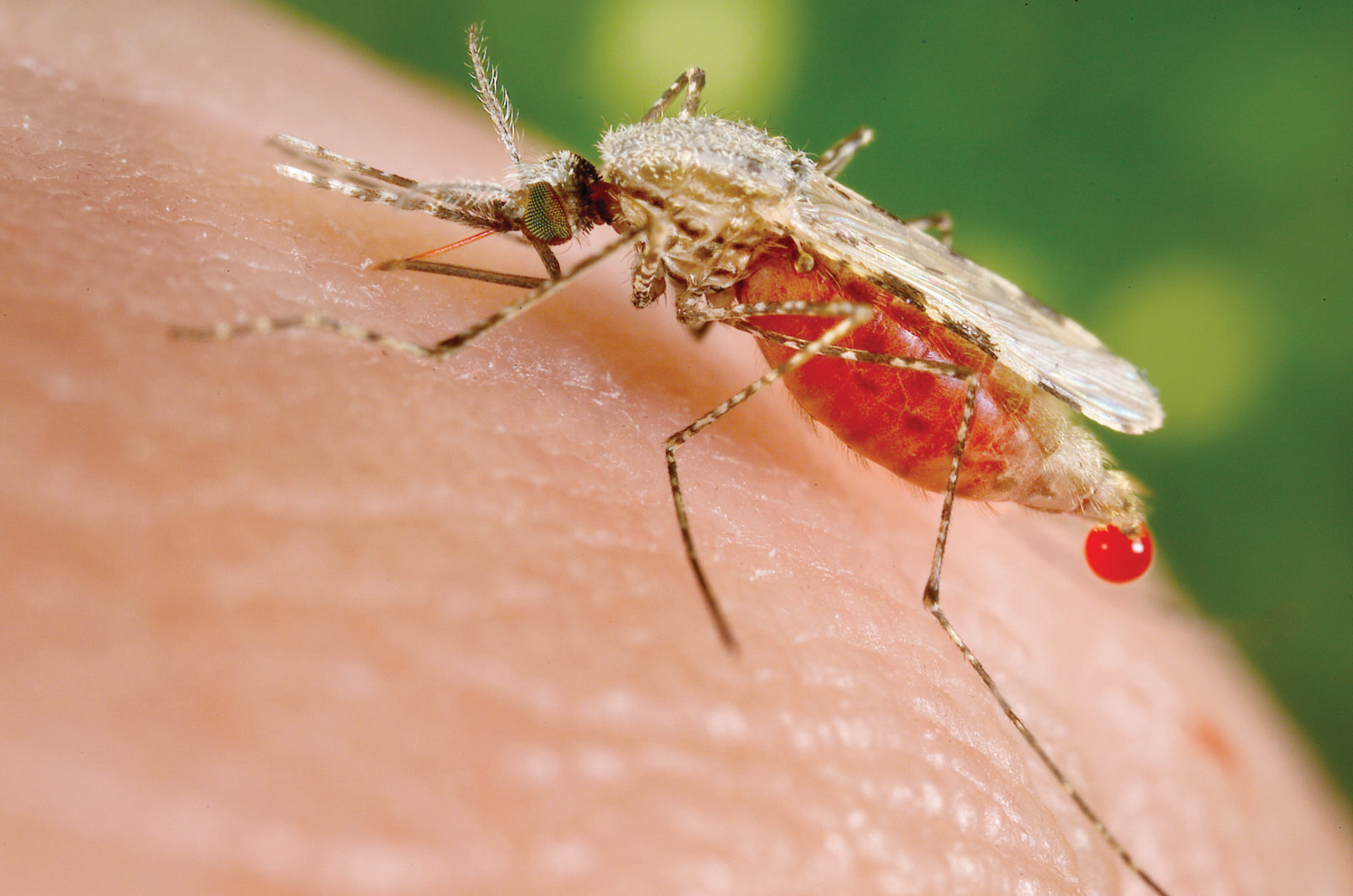
Genetic engineering may offer a radical new approach to malaria control: changing the mosquito rather than eliminating it.
The mosquito attracts universal hostility, probably because of the suffering it causes to humans. Malaria alone claims hundreds of thousands of lives every year, mostly in Africa. Add dengue, yellow, Zika and chikungunya fevers – and its reputation is well deserved.
For decades, the wish has been for its extermination.


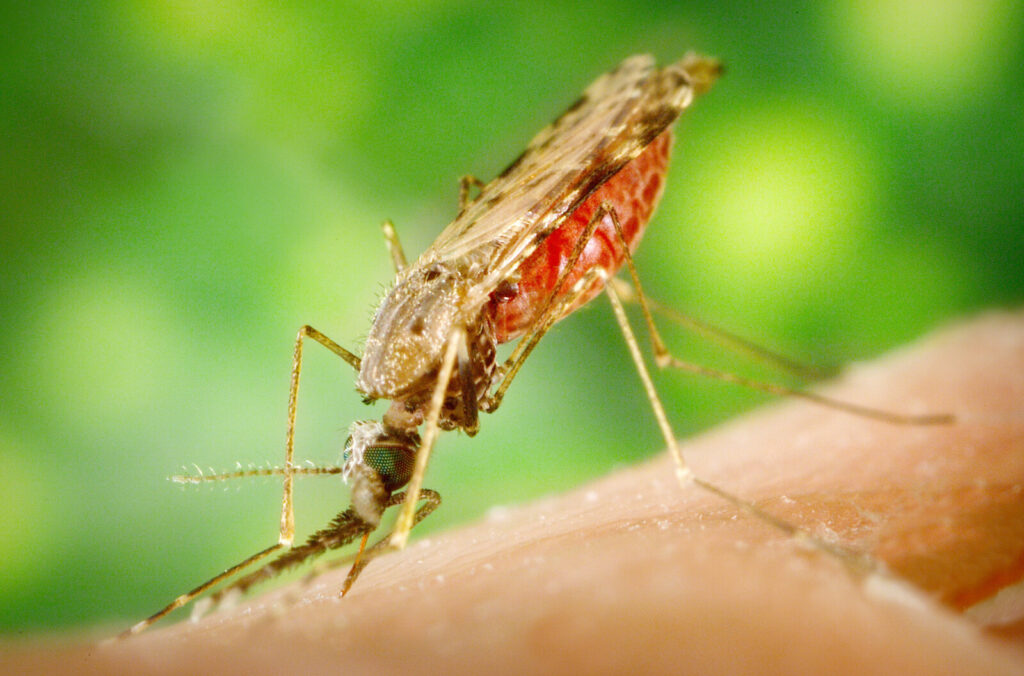
But what if we could make mosquitoes harmless to humans? Instead of poisoning them, destroying their breeding sites, or attempting to eradicate entire populations, scientists are exploring ways to remove the characteristic that makes certain mosquitoes so dangerous: their ability to transmit disease.
Mosquitoes are vectors, providing ‘transport’ for pathogens between hosts. For example, the malaria parasite (Plasmodium falciparum) undergoes part of its complicated life cycle inside a female Anopheles mosquito.
After the mosquito has taken a blood meal from an infected person, the parasite develops in its gut before eventually migrating to its salivary glands. When the mosquito feeds again, it can pass the parasite to another person.
The parasite’s journey through the mosquito provides an opportunity to intervene.
The journal Nature (December 2025) reported a remarkable development by an international research team working in Tanzania. They genetically engineered the African malaria mosquito (Anopheles gambiae) to produce two antimicrobial peptides that interfere with malaria parasites’ development inside the mosquito.
One of these peptides, magainin 2, was originally identified in the African clawed frog (our very own platanna). The other, melittin, is found in honeybee venom. Both have antimicrobial properties.
When introduced together into the mosquito's genetic makeup, they inhibit the malaria parasite’s development and make it less likely to reach the mosquito's salivary glands.
The results were encouraging. Although the engineered mosquitoes were not completely infection-free, the parasite's development was severely restricted.
Importantly, the researchers used malaria parasites from naturally infected Tanzanian children rather than relying on laboratory strains. This makes the findings particularly relevant to the genetic diversity of malaria parasites circulating in Africa.
Good laboratory results are one thing, but the next challenge is introducing this protective characteristic into wild mosquito populations. This is where another piece of genetic technology, known as a gene drive, enters the picture.
Normally, an organism has an approximately 50% chance of passing a particular gene to each offspring. A gene drive uses gene-editing technology, including CRISPR, to bias inheritance so that a larger proportion of offspring inherit the desired genetic modification.
In principle, a relatively small number of modified mosquitoes could spread the protective characteristic through successive generations. Rather than eliminating the entire mosquito population, the intention is to replace disease-transmitting mosquitoes with those less capable of transmitting malaria.
The Tanzanian research demonstrated the effectiveness of the modification, including inheritance. It has not yet demonstrated its effectiveness in wild populations.
A different approach is already producing encouraging results. This involves introducing Wolbachia, a naturally occurring bacterium found in many insects, into the mosquito Aedes aegypti, which transmits dengue fever. The bacterium makes it much harder for dengue and certain other viruses to reproduce inside the insect.
Unlike genetic engineering, this approach does not require altering the mosquito's DNA. The bacterium is passed from infected females to their offspring and can establish itself in the local population.
But why go to all this trouble to preserve mosquitoes? Surely the world would be better off without them?
Surprisingly, it wouldn’t. Mosquitoes have important ecological roles that vary between species. Their aquatic larvae feed on microorganisms and organic material, thus contributing to nutrient cycling in freshwater habitats.
They are an important food source for fish and aquatic invertebrates. Adult mosquitoes feed on plant sugars, and some species contribute to pollination. Birds, bats, spiders and dragonflies feed on them.
Changing a harmful characteristic, while retaining an organism's place in the intricate food web, is an attractive alternative to indiscriminate destruction with unintended consequences.
Perhaps the most interesting aspect of this work is the change in philosophy it represents. For generations, the response to troublesome organisms was to kill them, generally, with little consideration for collateral damage. Now scientists are asking whether we can modify the relationship between an organism and the harm it causes our species.
Perhaps the future of conservation lies in not always deciding what should disappear, but in finding ways for more species to coexist in the complex web of life. Unfortunately, though, it may be impossible to eliminate the whine of the female mosquito that makes our sleep impossible – believe it or not, it’s irresistible to male mosquitoes.
Enjoyed this story? Get the whole paper first
The top stories and the whole edition, in your inbox the moment the new paper is out.