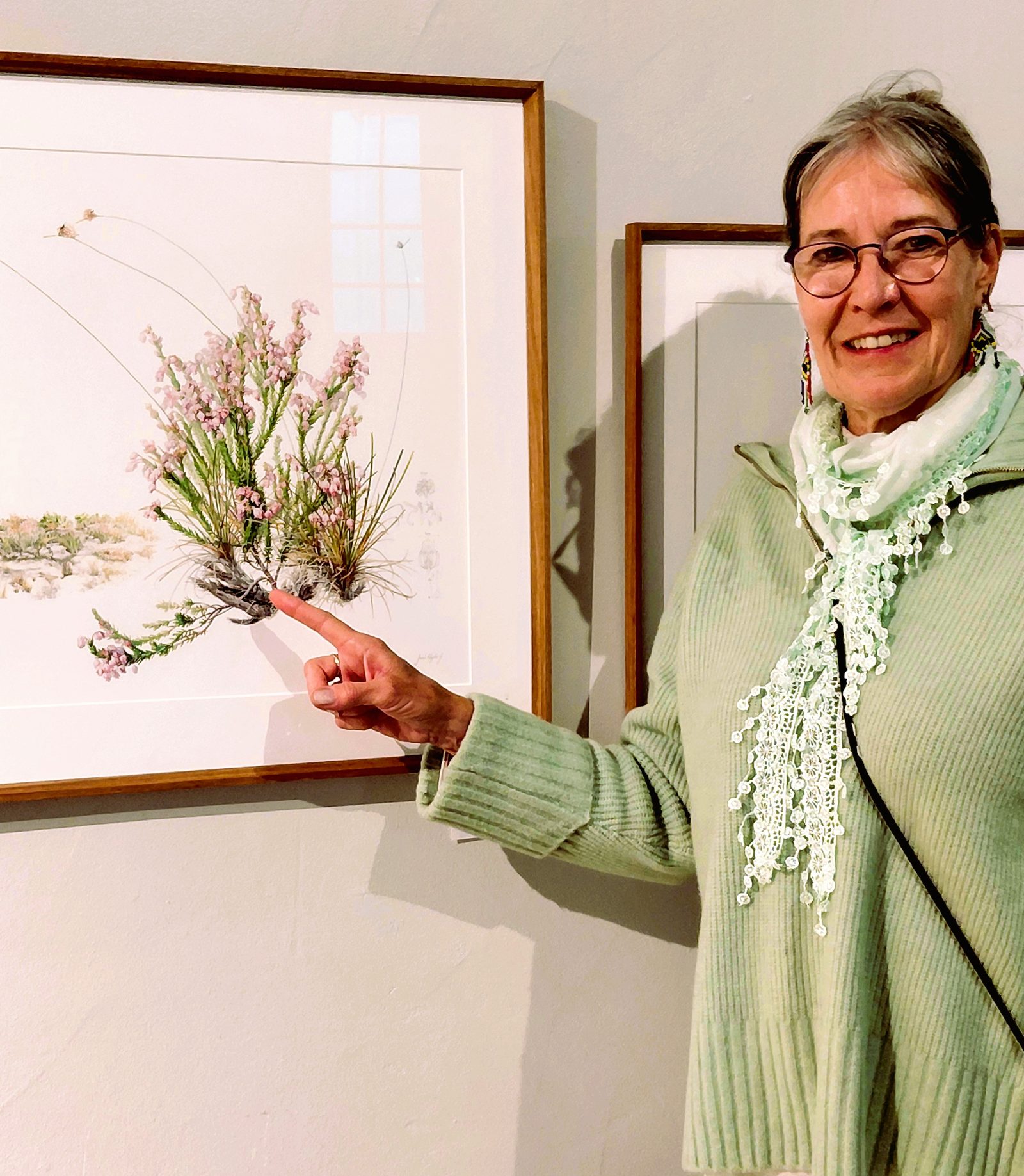
Jenny Hyde-Johnson, a prize-winning botanical artist from Gauteng, still finds it almost impossible to believe that the six fynbos watercolour paintings she submitted for the 2026 Royal Botanical Society’s annual Botanical Art and Photography Show in August broke the prestigious organisation’s record.
Never before in its 100 years of existence has any artist won the Best Botanical Art Exhibit and the Best Botanical Artwork awards in the same year. That’s in addition to the Gold Medal she received at this year’s Chelsea Flower Show in May.
Visitors to the reconstructed South African Flower Show exhibit in Stanford can view these artworks – and may have the opportunity to meet the artist.
It took her five years to complete the six works. She often became so despondent about her efforts that she felt like throwing in the towel. Fortunately, with the advice and encouragement of fellow artists, she kept going. The Royal Horticultural Society’s initial acceptance process alone took many months to finalise and involved, among other things, verifying the authenticity of each rare plant she planned to include.
Because her home is in Gauteng’s Cradle of Humankind and her subjects are found only in isolated pockets in the southern Cape, the project involved regular trips to the Grootbos Nature Reserve to observe them in their natural environment.
Since some of Jenny’s previous paintings were already included in the Grootbos Florilegium, fellow artist and manager of the collection Chris Lochner facilitated her trips, and she soon had the enthusiastic assistance of the reserve’s botanists and other natural scientists in tracking down the plants.
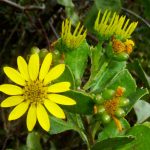
She chose rare, difficult-to-find species growing in cracks in limestone rocks for her series, titled Fynbos Diversity of the Coastal Limestones on Grootbos.
“Limestones of the southern Cape are new rocks, only about two million years old,” she says. “They overlay older dominant sandstones and form small islands in the landscape, home to highly adapted endemic fynbos. Limestone fynbos is extremely threatened in the areas surrounding Grootbos Nature Reserve, due to invasive, non-native vegetation and habitat destruction.”
It was not only the precise, detailed depiction of each endangered species and their companion plants that won the approval of the competition judges. It was the unique composition of each artwork, often with an unobtrusive – yet accurate – indication of the landscape from which they originated.
She said she wanted the paintings to ‘talk to one another’. That meant arranging them in a specific sequence, involving colour, shape and size, so one painting led to the next, with the last one in sync with the first. While each painting can be appreciated independently, all six together form a beautiful, clearly identifiable entity.
Enjoyed this story? Get the whole paper first
The top stories and the whole edition, in your inbox the moment the new paper is out.