There is something wonderful about being in nature at night – but something especially wonderful about being in Fernkloof Nature Reserve after dark at this time of year.
For 10 years, Whale Coast Conservation has been privileged with permission to escort small groups of nature lovers into the reserve at night. There they experience the enchantment of fireflies during the brief mating season. In our overlit residential areas, we seldom see them anymore.
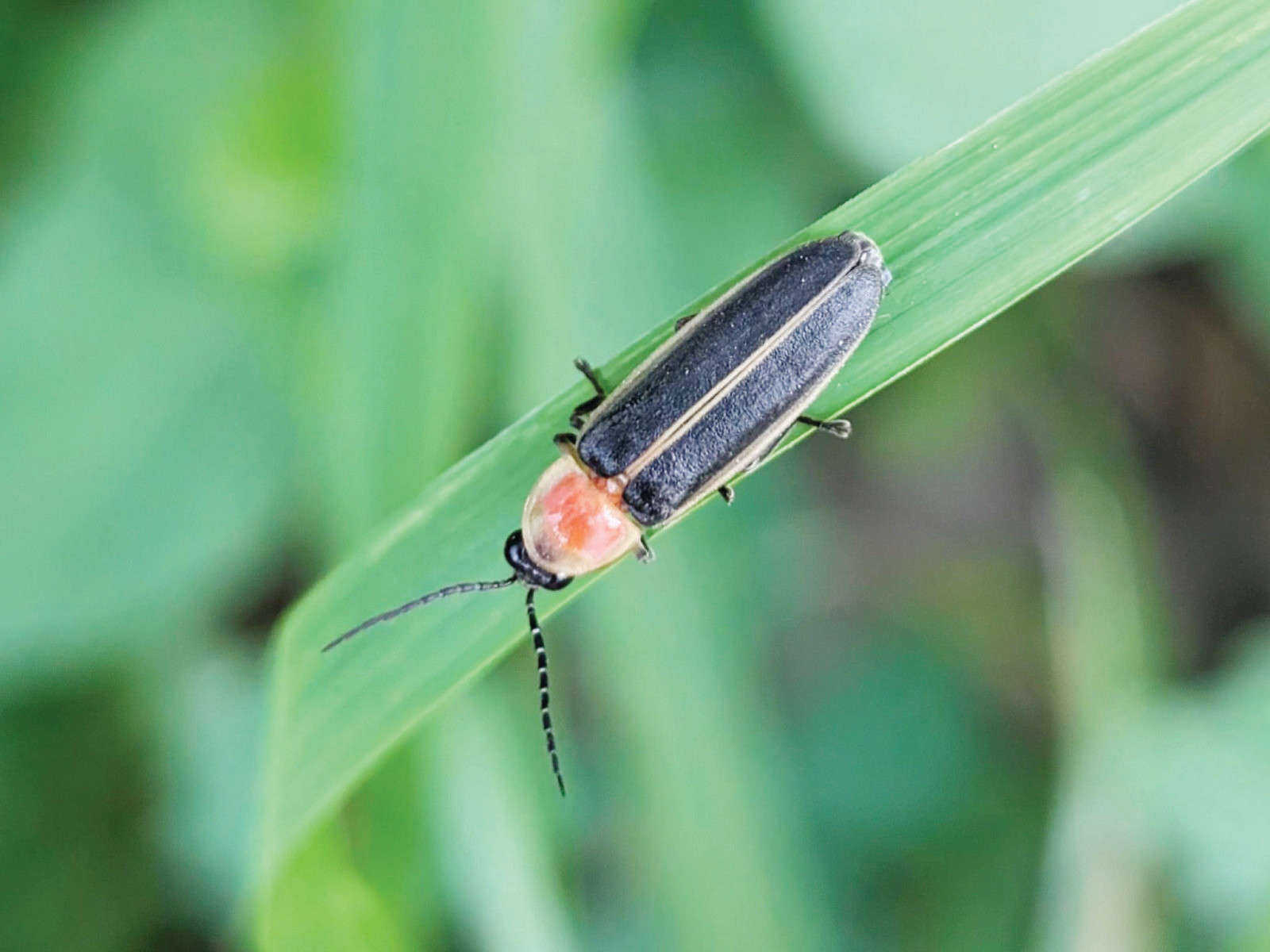
The tiny beetles emerge from their long larval stage with one objective – to find a mate. To avoid daytime predators, they fly at night. But to find a mate in the dark, they need light – so they have to light up.

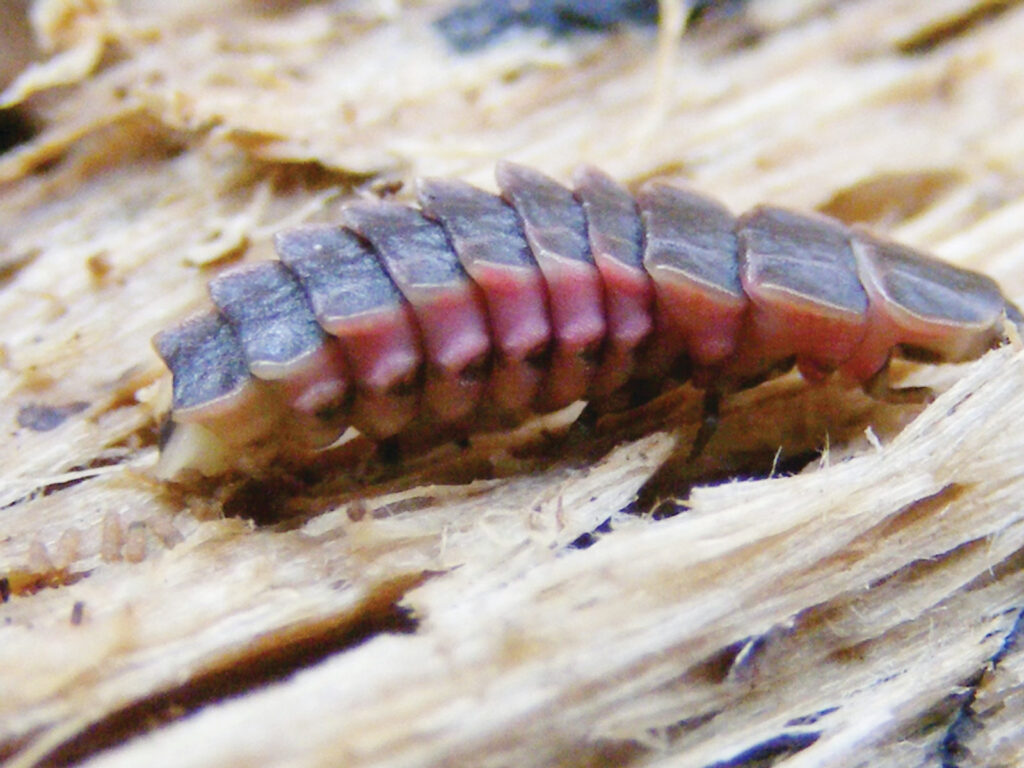
Producing light requires considerable energy, which is why their reptilian-looking larval stage is a prolific predator of slugs and snails. Energy derived from their prey is stored in the larval cells and retained into adulthood, providing the fuel for their light production.
But why do they flash their lights? It’s their way of identifying who they are – their individual call signal. A female firefly stays low to the ground, while males fly overhead, sending out pulses of light to announce their presence. If a female is suitably impressed by a male’s particular show, she will flash a come-hither reply.
Their light, called bioluminescence, is cold light, meaning all the energy is converted to a photon of light, unlike artificial light sources, where at least some energy is lost as heat.
Despite this energy efficiency, all the flying and flashing soon exhausts the stored energy and the flashiness ends – either in mating success or doomed to forever failure. There is no second chance.
However, this rather prosaic account of a firefly beetle’s courtship ritual does no justice to the enchantment of the occasion.
In the dark, the familiar landscape changes. The pale paths reflect light from the starry sky, the mountains become dark silhouettes, and sounds are amplified. There is the aroma of the fynbos and the fragrance of Struthiola in the night air, attracting pollinator moths.
And, of course, there are – hopefully – the fireflies.
Suddenly the darkness comes alive with little points of light, flashing in the vegetation along the river and up the mountain slopes. For a while, the fireflies are the stars of the evening.
But they aren't the only stars. On a mountain above Hermanus, with nothing between you and the sky, the mountain is a dark shape beside you; the Milky Way appears brighter and sometimes a shooting star slips across it.
Closer to Earth, the night is alive with tiny insects flashing their coded messages, hoping to fulfil their procreation destiny.
It is easy to understand why people describe fireflies as magical. I have watched them every spring for about 10 years, and I still get excited when I see those first little flashes in the darkness.
I know the light is a chemical reaction catalysed by an enzyme, using ATP’s stored energy, and that the flashes are part of their courtship communication. Knowing how it works doesn't make the experience less extraordinary.
Perhaps that is because the magic isn't only in the firefly itself. It is in the experience of being there. We tend to think that we are going to see fireflies. What we actually discover is the beauty of the night.
The fireflies may come out in their hundreds – or they may decide the weather isn't to their liking. Too windy, too damp, too cold – we don't get to choose; they do.
Nature doesn't perform on demand. Sometimes you see a few fireflies. Sometimes you see hundreds. Sometimes you get the Milky Way and a shooting star as an unexpected bonus.
But if we are willing to slow down, switch off the lights, and simply stand still and be in the moment, there is almost always something waiting to be noticed.


Enjoyed this story? Get the whole paper first
The top stories and the whole edition, in your inbox the moment the new paper is out.