As the Western Cape prepares for a potentially hotter, drier summer driven by a developing El Niño climate cycle, the municipality has confirmed the introduction of Level 1 water restrictions from December 1.
While the region is not yet facing an immediate water crisis, signs of environmental stress have highlighted the need for early intervention. Water conservation, careful management of available supplies, and increased fire-prevention measures will be crucial in the months ahead.
According to this month’s Climate Intelligence Brief by FutureClimate IQ, several early-warning indicators point to increasing pressure on the region's natural environment. While the brief indicates no immediate water-security crisis or widespread meteorological drought, current conditions warrant close monitoring.

The Overstrand is showing growing signs of environmental moisture stress, with below-average rainfall, persistent heat and declining vegetation moisture raising concerns about the El Niño impact.
Gansbaai, Hermanus and Kleinmond recorded below-average rainfall in September and October. October was particularly dry, with the three monitoring stations receiving an average of 23.7mm, compared with the historical monthly average of 51mm – a decline of approximately 54%. During the first 10 days of November, rainfall was also limited, with only 3–6mm recorded at each station.
Most concerning is the decline in vegetation moisture levels, particularly around Caledon, Stanford and inland of Gansbaai, leaving natural vegetation increasingly vulnerable to drought and fire.
Temperatures across Hermanus, Fisherhaven and Kleinmond have been exceptionally high, accelerating moisture loss from soil and plants.
Although water supplies remained relatively secure, De Bos Dam had dropped to 92.40% capacity, down from 98.2% the previous month. Continued dry conditions could place further pressure on available water resources. Residential water use accounts for 84% of water consumption in the Overstrand, with the balance consumed by commercial and industrial users.
The report also warned that the fire season could last up to eight months, compared to the usual four to five months. Dry vegetation, high temperatures, and reduced moisture increase wildfire risk as summer progresses.
To improve existing water resources, a detailed feasibility study is in progress for the planned Hermanus seawater desalination plant.
Level 1 restrictions
In terms of Clause 47 of the Overstrand Water Supply and Sanitation Services By-law (2022), the following measures will apply to all consumers:
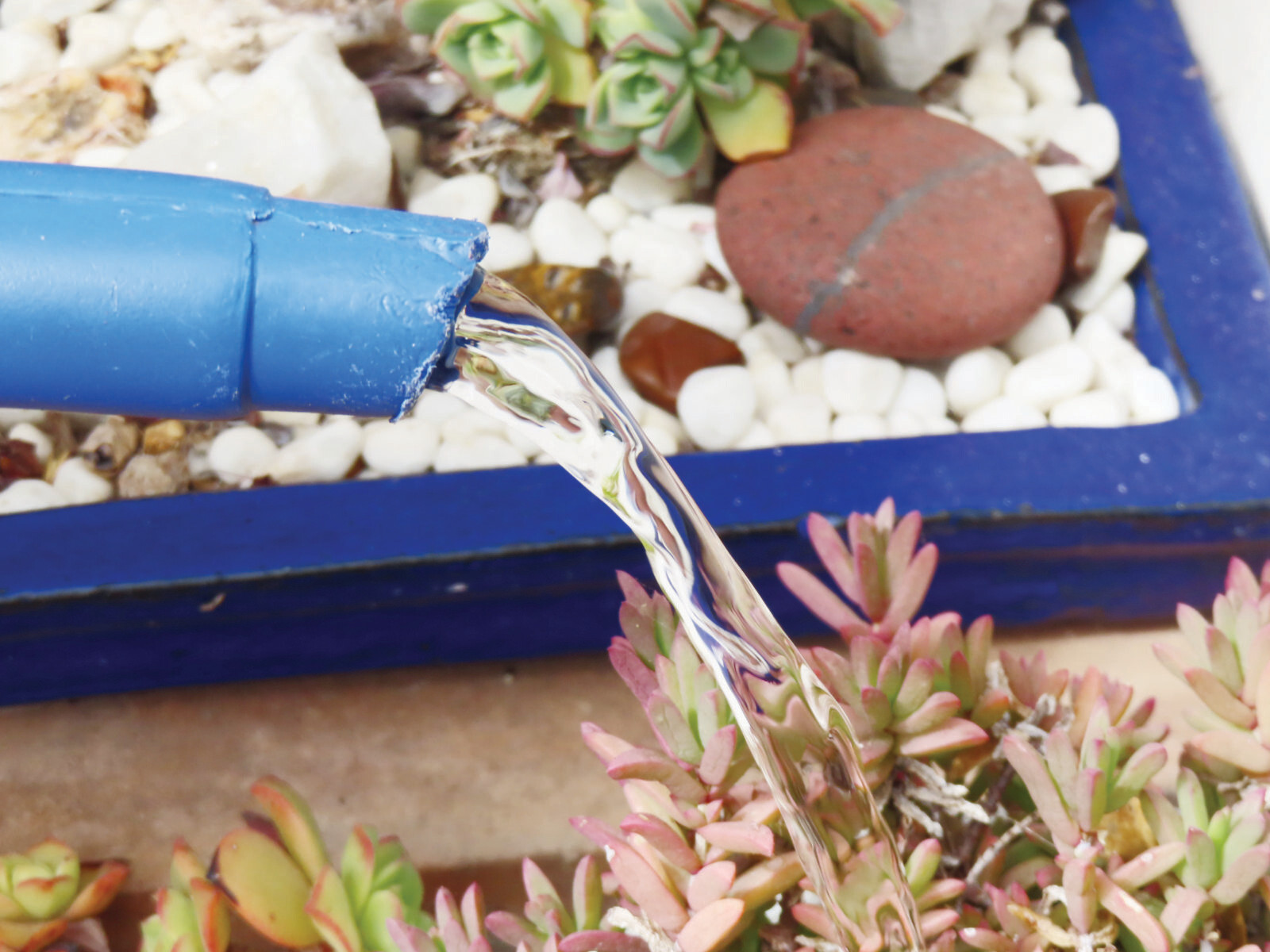
Garden watering: Watering of gardens, sports fields, parks, lawns and other open spaces is only allowed on Tuesdays and Saturdays.
Residential watering is limited to one hour per day on these days, before 09:00 or after 17:00.
Washing vehicles and watercraft with municipal drinking water is only allowed when using hosepipes fitted with regulating devices.
Paved areas: Hosing down hard-surfaced or paved areas with municipal drinking water is not allowed.
Exemptions apply to watering of plants at nurseries for commercial purposes, and commercial car washes using water-efficient equipment. This includes properties using alternative water sources such as boreholes where appropriate signage is displayed and visible from a public road.
Under Level 1 restrictions, there will be no increase in water tariffs.
Enjoyed this story? Get the whole paper first
The top stories and the whole edition, in your inbox the moment the new paper is out.