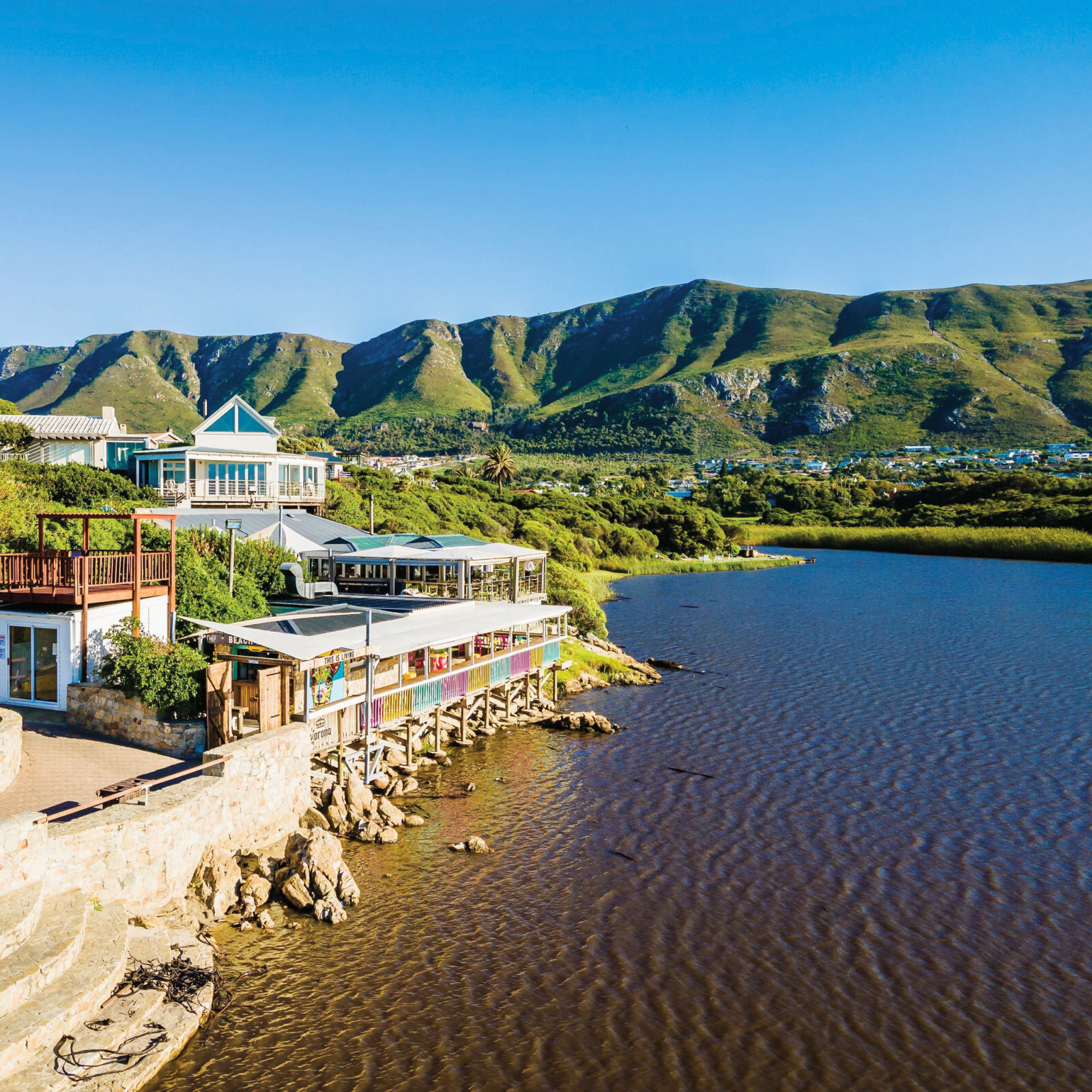
The rehabilitation of the Onrus Estuary and Wetland is making too little progress, and critical questions about sewage infrastructure, environmental water flows and the restoration of the river ecosystem remain unresolved, according to Onrus resident Anton Kruger.
In a letter to The Village News, Kruger criticised the lack of progress following a ‘Vision and Objectives’ workshop organised by CES Environmental Consultants on 23 September, arguing that the estuary needed urgent intervention rather than long-term planning.
Kruger questioned the decision to hold the workshop at the Overstrand Municipal Auditorium during office hours, rather than in Onrus, despite the issue directly affecting local residents. He added that attendance was poor and municipal officials whose input was needed participated online.

He added that the public had expressed dissatisfaction with the slow pace of rehabilitation and raised concerns about plans for the Onrus main pump station.
According to Kruger, CES estimated that diverting sewage away from the estuary would cost approximately R57 million. He also pointed out that the pump station was being upgraded at its existing location rather than being relocated.
He questioned whether relocating the facility would be harder to justify once the upgrades were complete.
Another key concern was the absence of an environmental water release from De Bos Dam into the Onrus River. Kruger said CES had confirmed that no such release was currently taking place and that, apparently, none had ever been made.
He noted that legislation, providing for mandatory environmental water reserves, was gazetted in 1996 and argued that implementing water reserve was critical to the river ecosystem’s survival.
Kruger also challenged the flow data being used to determine the river’s natural water requirements. He said historical inflow records from De Bos Dam appeared to have been discounted following an assessment by Barry Clark of Anchor Management, who reportedly considered the older figures too high and potentially faulty.
Kruger disputed that conclusion, arguing that the pattern of changes in the records did not support the assumption that the earlier measurements were unreliable. He believes the resulting estimate of the river’s naturalised mean annual runoff (nMAR) is too low.
He further expressed concern that the Department of Water and Sanitation had removed the earlier flow records from its website.
Kruger called on the relevant authorities, environmental organisations and the public to agree on an acceptable environmental reserve without further delay.
He also questioned the relevance of concerns that sediment in the river was predominantly sand and therefore unsuitable for restoring the Hemel-en-Aarde peatland. He argued that the priority should be to fill the holes, raise water levels and re-wet the remaining peat.
“Twenty years is too long,” Kruger concluded, referring to a question posed at the workshop about what the river should look like in two decades.“The Onrus River needs action now,” he added.

Enjoyed this story? Get the whole paper first
The top stories and the whole edition, in your inbox the moment the new paper is out.
More news from Onrus